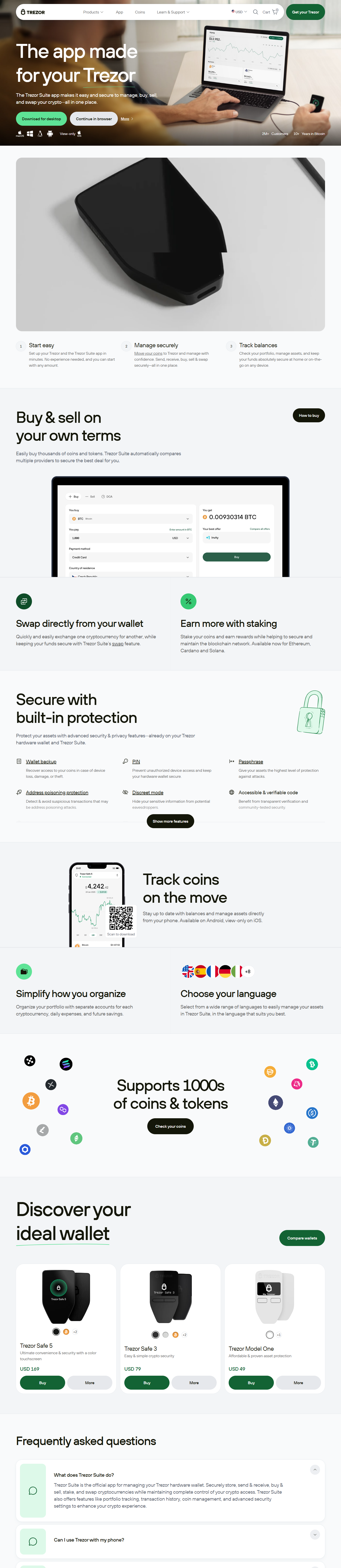
Your Device Setup Guide
This demonstration page presents a simplified, clean, and user-friendly layout for guiding new users through a secure device setup experience. Although this page does not connect to any real hardware or process sensitive actions, it illustrates how an onboarding interface can feel organized, approachable, and dependable.
Beginning With the Right Mindset
A successful device onboarding experience starts long before a user interacts with buttons or screens. It begins with mindset. Users adopting a secure device are often seeking greater control and protection over their digital environment. This transition can be empowering, but also a bit intimidating if the interface feels cluttered or overly technical. A clear and structured onboarding process works by reducing uncertainty, reinforcing understanding, and offering reassurance at every step.
Preparing Your Workspace
Before approaching any secure device setup, it's important for users to work in a calm, focused space. A clean environment helps ensure no details are missed and reduces the likelihood of accidental errors. While this demo page does not connect to software or hardware, it mimics the type of guidance that would help users feel prepared: eliminate unnecessary background tasks, confirm the authenticity of companion software, and ensure cables and connections are stable.
Understanding Device Trust
Trust is one of the most important aspects of interacting with secure technology. Instead of overwhelming users with highly technical explanations, an effective onboarding layout focuses on approachable language and structured steps. This demonstration page reflects that philosophy. From confirmation prompts to feature explanations, everything is presented in a steady, easy-to-follow order.
Clear, Guided Learning
Many people are visual learners, which means design plays a major role in comprehension. Typography, spacing, and visual hierarchy all help organize information into digestible steps. This layout was crafted to demonstrate how neatly arranged sections, large headings, and readable paragraphs can help users progress through essential instructions at their own pace.
Building Healthy Digital Habits
One of the advantages of a well-designed onboarding flow is its ability to encourage long-term digital safety behavior. Even though this demo page does not handle any real recovery keys, passwords, or hardware communication, it still illustrates the importance of emphasizing safe habits early. Topics such as keeping sensitive information offline, verifying legitimate software sources, and understanding device indicators can be communicated gradually throughout an onboarding system.
Consistency Creates Confidence
A consistent interface builds trust. When colors, buttons, and labels behave in predictable ways, users instinctively feel more confident. This example keeps its layout organized, its call-to-action buttons clear, and its message straightforward. Real onboarding applications benefit greatly from this style of design because predictability helps users grasp what will happen next.
Looking Ahead
As users complete an onboarding flow—whether in a real system or this educational demo—they should leave with a clear understanding of what comes next. A well-crafted interface not only explains processes but also helps users grow more confident in managing their device's features over time. The layout you see here can serve as a foundation for developers, designers, or educators who want to build safe and structured setup experiences.
Secure
Your assets are protected with industry-leading security measures
Easy Setup
Get started in minutes with our guided setup process
Trusted
Join millions of users who trust our platform